Why Core Stability? | Bracing & Intra-Abdominal Pressure | Training Your Core | The Role of a Lifting Belt | What a Belt Doesn't Replace | Which Belt Is Right for You? | When to Add a Belt? | Start Today
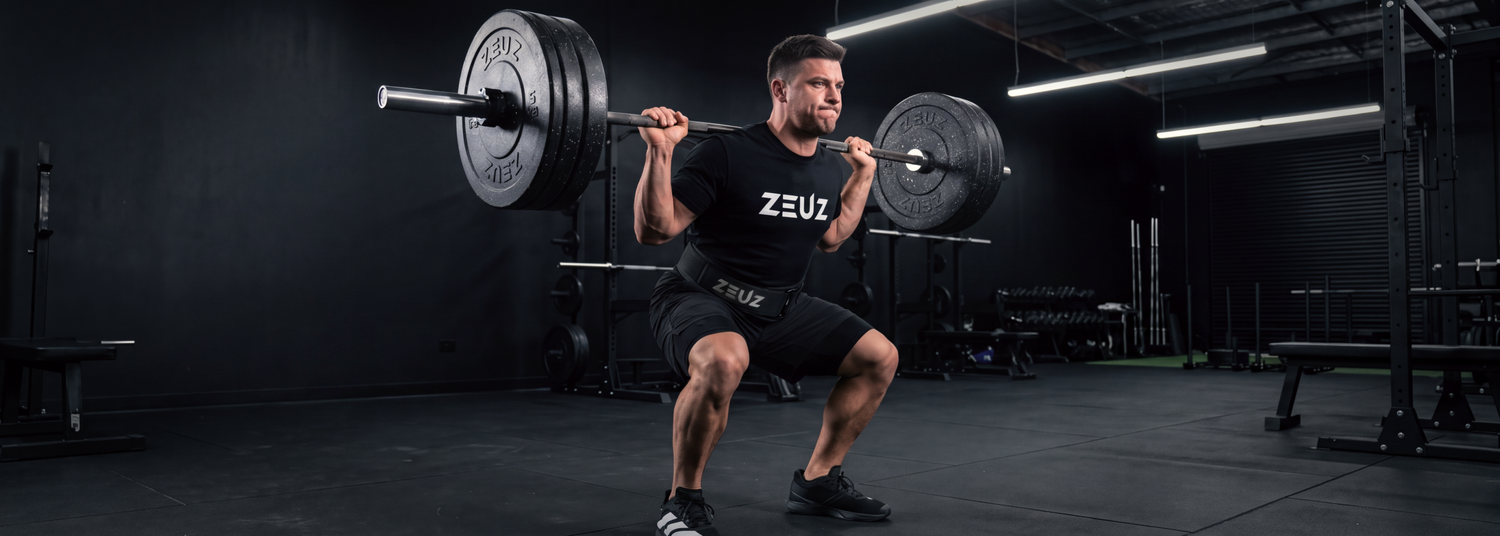
You brace yourself under the bar, take a deep breath, and lift. During a heavy squat or deadlift, you first think about the strength in your legs and back. But the true foundation of every heavy lift is a strong, stable core: the better your core works with you, the more efficiently that force is transferred to the bar.
Core stability is often the difference between a missed lift and a new PR. You build core stability during heavy lifts by using the right technique, training your core deliberately, and using a lifting belt at the right time.
Why is core stability so important during heavy lifts?
In big compound exercises such as the squat, deadlift, and overhead press, your body works as one chain. The force generated by your legs and hips must travel through your core to the bar. Is your core stable? Then that force is transferred efficiently. Is your core unstable? Then you lose tension along the way. You feel that immediately in the amount of weight you can lift.
An unstable core causes three problems during heavy lifts:
- You lose strength. Energy that should go into the bar is lost through unnecessary movement in your core.
- Your technique deteriorates. Without a solid foundation, you will round your back more easily, tilt your pelvis, or lean forward when you shouldn't.
- Your lower back takes more strain. The very core that should have protected you now becomes the weak link.
In short: before you think about adding more weight, a stable core is the first place to look for gains.
Bracing and intra-abdominal pressure for a stable core
The key to core stability during heavy lifts is called bracing: consciously tightening your abdominal and core muscles around your spine so your core is supported from within. This works through intra-abdominal pressure, the pressure inside your abdominal cavity.
Here’s how it works: when you take a deep breath into your belly (not your chest) and then brace your abs while holding that breath, pressure builds in your core. That pressure works in all directions, including backward against your spine. The result is a core that is stiffer and more stable before you even lift the bar off the ground.
Build that tension step by step:
- Take a deep breath into your belly. Don’t lift your chest; let your stomach expand, as if you were inflating a balloon in your abdomen.
- Brace your abs 360 degrees. Don’t just push forward; brace all around, including to the sides and back, as if you were expecting a punch to the stomach.
- Maintain that tension throughout the entire rep. Only exhale fully once the rep is complete, or briefly between reps during longer sets.
This technique takes practice. Start with light weights to get a feel for it before applying it to your heaviest sets.
Training core stability: exercises to prepare you for heavy lifts
Bracing is a skill, and like any skill, it improves with targeted training. These exercises specifically build the core stability you need for heavy lifts:
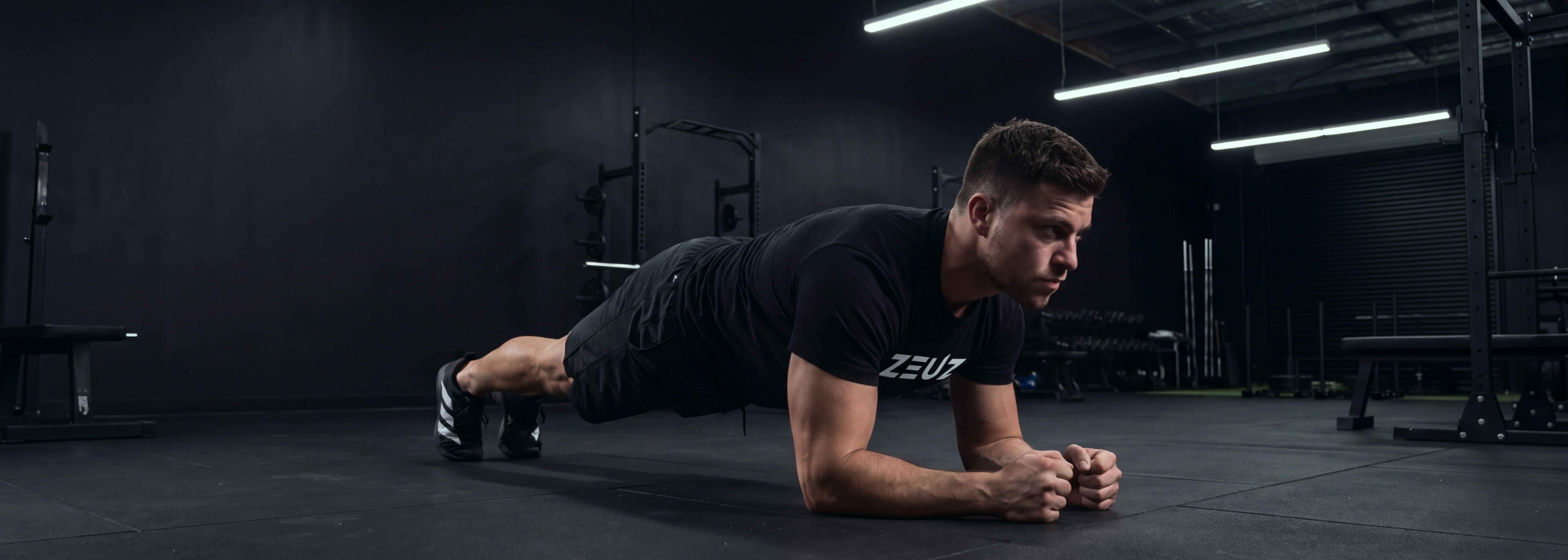
- Plank (and variations): 3 sets of 30–60 seconds. The classic, and for good reason. A plank teaches you to keep your core stable under sustained tension. Exactly what you need during a heavy set. Add weight (a weighted plank) once 60 seconds becomes easy.
- Dead bug: 3 sets of 6–10 repetitions per side. This exercise teaches you to keep your core stable while your arms and legs move. A skill that directly carries over to lifts where your core needs to remain still while the rest of your body works.
- Farmer's carry / suitcase carry: 3 sets of 20–30 meters. Walking with weight on one or both sides forces your core to actively correct against the load. With a set of kettlebells, you can apply this directly in your own training.
Incorporate these exercises 1–2 times a week, separately from your heavy lifts. This way, you train the core stability you need without immediately becoming dependent on a belt.
The role of a lifting belt in core stability
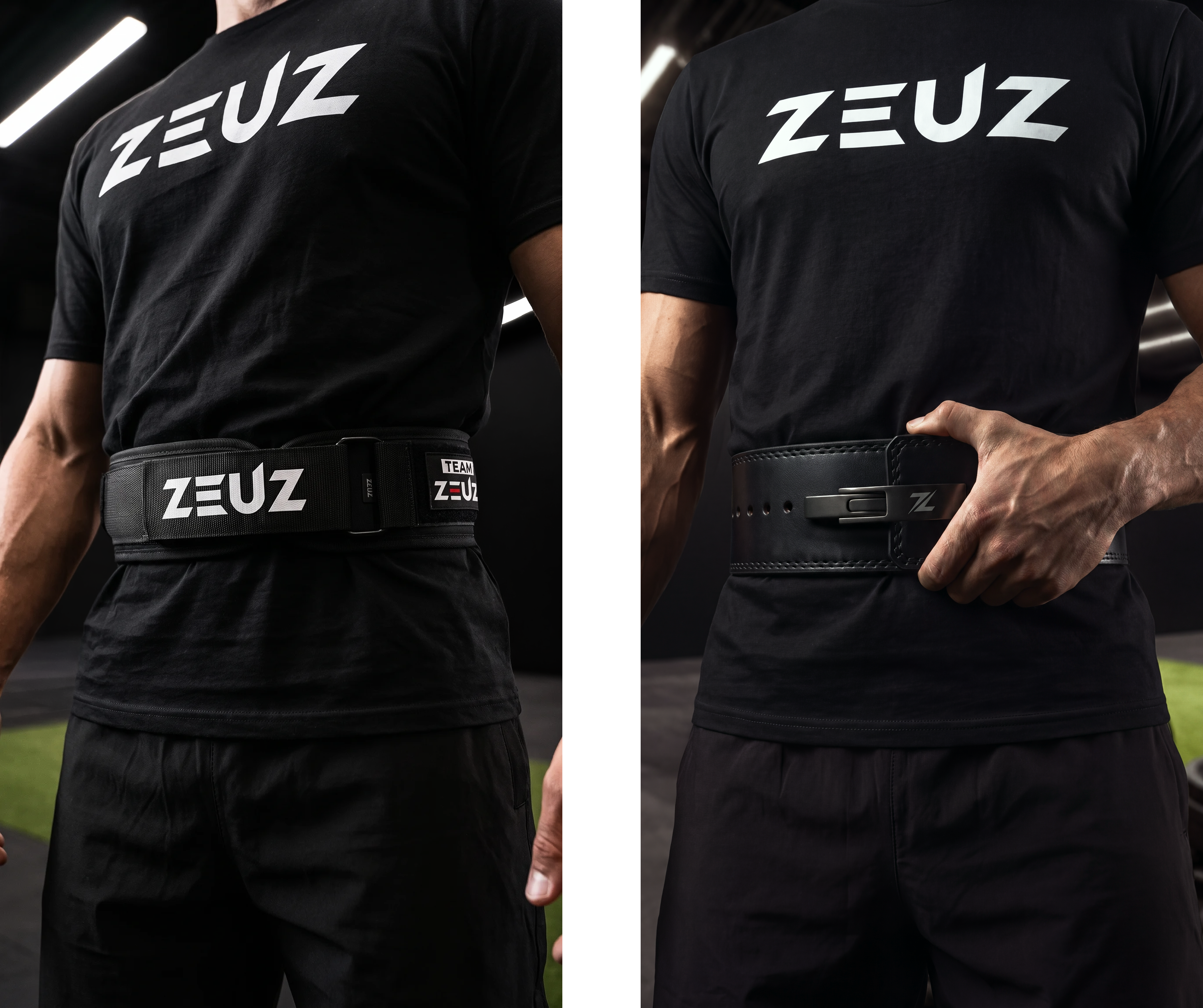
If bracing is the skill, a belt is the tool that reinforces that skill: by pressing against the belt, you increase intra-abdominal pressure even further than is possible without one. The result is an even stiffer, more stable core—exactly when you need it most.
The benefit is greatest with heavy, compound lifts close to your maximum: heavy squats, deadlifts, and overhead presses. For light sets, warm-up sets, or exercises that place little demand on your core, a belt adds almost nothing.
A common misconception is that a lifting belt makes your core “lazy,” or that it is only for powerlifters. Neither is true. A belt does not replace core training or technique, but it reinforces what you are already training. So keep working on your core without a belt as well, and use the belt strategically for your heaviest sets.
What a lifting belt does not replace
A belt is a powerful tool, but not a miracle cure. Here are a few things a belt cannot solve for you:
- A belt does not replace a strong core. Keep training your core without the belt as well; otherwise, you will rely on the tool instead of your own strength.
- A belt does not correct technical errors. Is your form off? Then a belt mainly allows you to lift heavier with the same error; it does not make the error disappear.
- A belt supports your core, not your grip, shoulders, or knees. Those areas still have to work just as hard during heavy lifts. A belt cannot solve that for you.
- The familiar feeling of wearing a belt can tempt you to rely too much on the weight you feel confident lifting. So always be honest about whether your technique can handle it, with or without a belt.
The conclusion is not “then don’t use a belt,” but rather: a belt is a performance tool that you add to good technique and a strong core, not a replacement for them.
Which lifting belt is right for you?
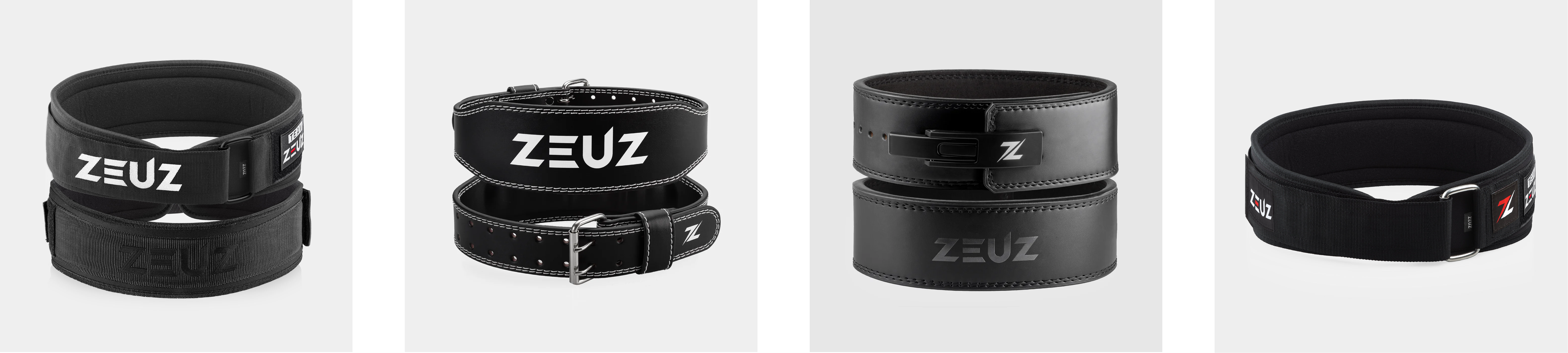
Not all belts are created equal. The material, fastening, and stiffness determine how much support you get and how much freedom of movement you retain. A brief overview:
|
Purpose |
Material & fastening |
Belt |
|---|---|---|
|
Beginners who want to get used to the feel of a belt |
Nylon & hook-and-loop fastening |
Weightlifting Belt – The Original |
|
CrossFit and functional fitness. For those who need plenty of freedom of movement |
Nylon & hook-and-loop fastening + ergonomic shape |
Weightlifting Belt – The Pro |
|
Advanced lifters who want more support with a sturdy buckle |
Microfiber, recycled leather & iron buckle |
Lifting Belt – Colorful Collection |
|
Powerlifters and more advanced lifters, maximum support for 1RM attempts |
100% buffalo leather, suede interior & fast-clip buckle |
Leather Powerlifting Belt |
Rule of thumb: the heavier and more explosive the lift, the stiffer your belt can be. More important than choosing the heaviest model is finding a belt that actually suits the way you lift. View the full lifting belts collection and choose the one that suits you best.
When should you incorporate a belt into your training cycle?
Using a belt is not about “always on” or “always off,” but about choosing the right moment in your training cycle.
- Technique and volume work (lower intensity, more repetitions): train without a belt. Your core should do the work here, not the belt.
- Strength and peak work (generally from around 80–85% of your 1RM, or your final 1–3 heavy sets): this is when a belt makes the biggest difference.
- Competition or testing day (1RM attempts): use the belt the way you have built up to using it in training, not for the first time on your heaviest day ever.
In short: a belt is not a permanent part of every workout, but a tool for the moments that really matter. Use it strategically for your strength and peak work, leave it off during technique and volume work, and build it into your training before you need it on your heaviest day.
Stronger core, heavier and safer lifts
Core stability may not be the most glamorous part of strength training, but it is one of the most important. Learn to brace, build your core with targeted exercises, and use a belt strategically for your heaviest sets. Not as a replacement, but as reinforcement for what you are already training. That way, you will not only lift heavier, but also with a core that can truly handle it.
Want to support your core even better during heavy lifts? View the full lifting belts collection.